





AI Assistant Plays a Key Role in Family Education
By Li Kexin
In many families, AI is quietly becoming a part of children’s growth journey, present in living rooms or near study desks. It doesn't behave like a teacher in the classroom nor does it act solely as a cold tool; instead, it resembles more of a “readily available assistant” that children can call upon at any time.
By December 2025, "AI Thinkie" integrated into the Xueersi Smart Learning Devices Tablet has been activated a cumulative total of 1.6 billion times. Behind this staggering number lies more than just frequency of technology application—it signifies an ongoing transformation. When children start greeting an AI with "Good morning" or "Good night," share sentiments like "I'm unhappy, I don’t want to do homework," or even express their joys and struggles in life, the role of AI in family learning scenarios is undergoing a subtle yet noticeable shift.
But is it genuinely “accompanying” children? And what does such companionship really mean? These questions can be answered through data, real user experiences, and the changing landscape of educational scenarios.

At first glance, the number "1.6 billion activations" might seem like a dazzling statistic. However, analyzing these moments reveals that many activations occur outside the context of solving problems or attending lessons.
In practice, many children start or end their day by voluntarily greeting AI Thinkie with “Good morning” or “Good night, I’m going to sleep.” They also pose questions unrelated to learning, such as “Have you eaten yet?” or “What are you doing right now?” Sometimes, they even invite AI Thinkie to play games or co-create stories.
Backend data shows that such interactions are not rare. Some children treat AI Thinkie as a confidential "whispering companion," sharing everything from worries to small delightful happenings. For instance, during one summer vacation, a child engaged in over 4,000 rounds of conversation with AI Thinkie, collaboratively creating scripts, discussing story developments, and even repeatedly revising character traits. This form of sustained, high-frequency, emotionally invested interaction is rarely observed with traditional learning tools.
Many parents describe AI Thinkie as being akin to a "friend always ready at hand." When children feel down or resistant to studying, they don’t always turn to their parents first. Instead, they confide in AI Thinkie, saying, "I’m unhappy" or "I don’t want to do homework."
Such behaviors, perhaps more than any feature description, speak volumes—children’s willingness to open up often reflects a sense of trust.
Of course, companionship goes beyond casual conversation. For most parents, whether or not a learning tool can genuinely "solve problems" remains the key measure of its value.
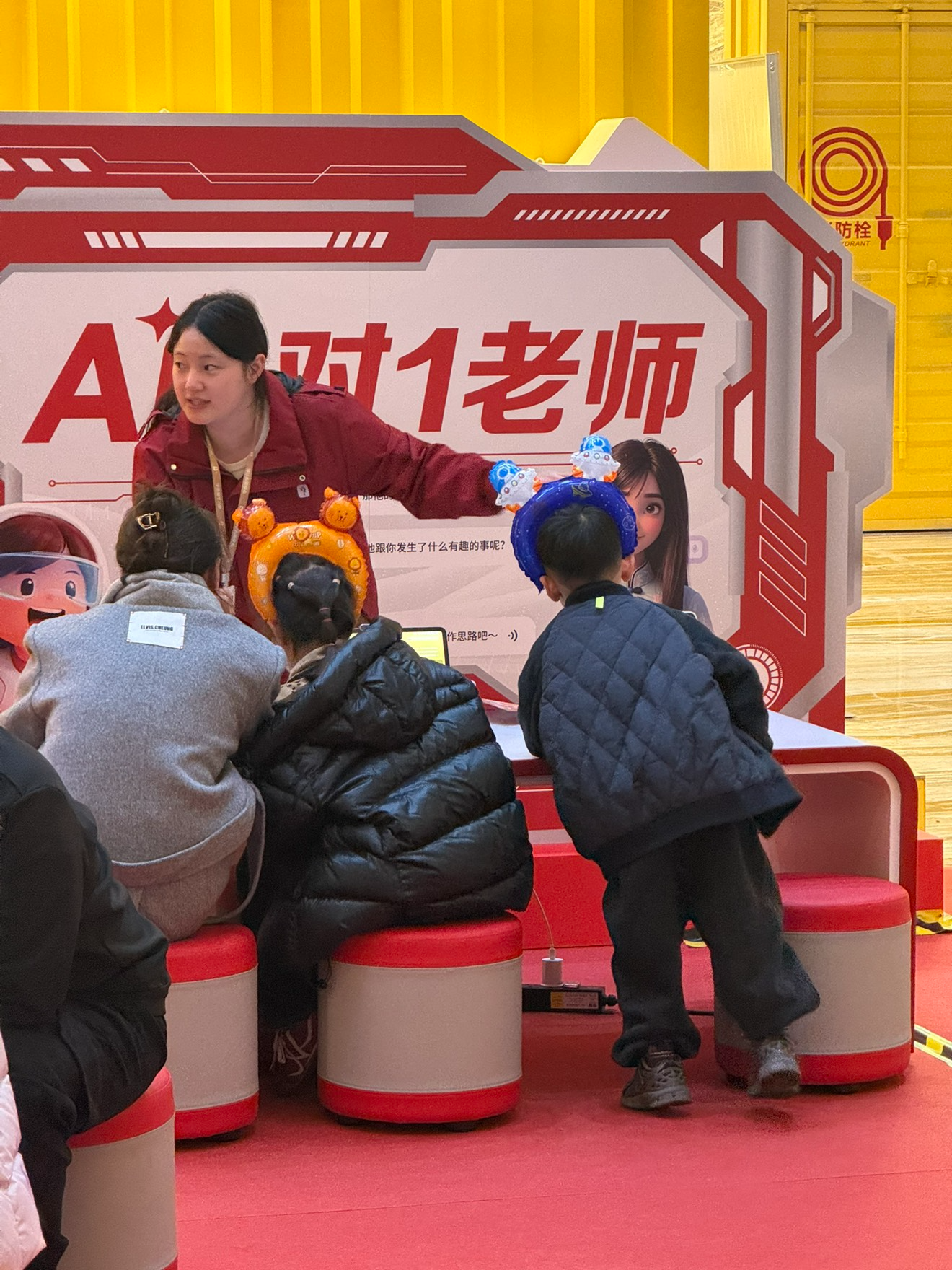
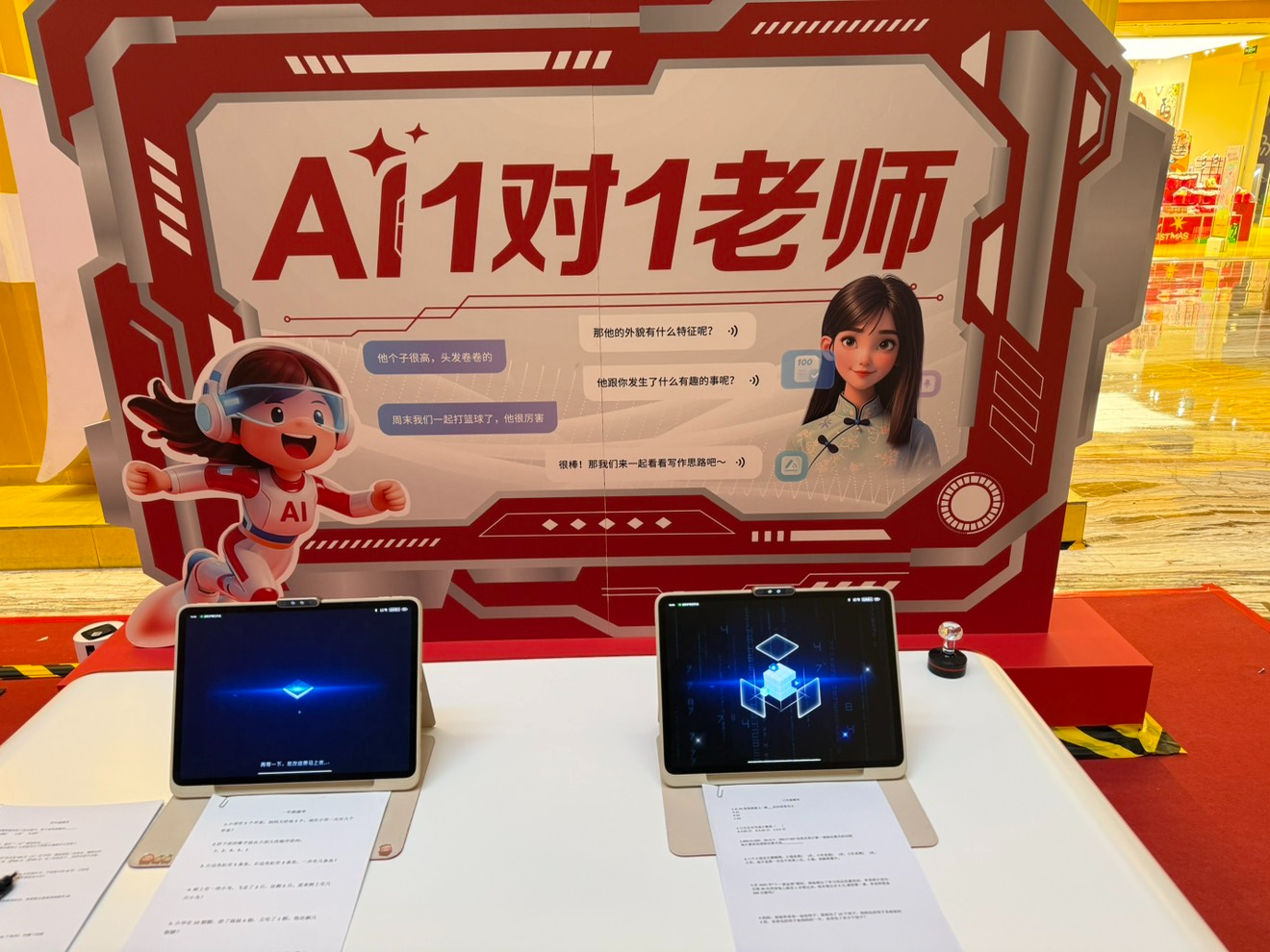
One of the most frequently mentioned features of the Xueersi Smart Learning Devices Tablet is “AI Thinkie 1-on-1.” Unlike simply providing answers, its core logic lies in breaking down complex problems step-by-step, guiding children to solve them on paper, while offering real-time corrections and feedback during the process.
So far, this function has accumulated a total of 720,000 hours of problem-solving explanations. That equates to over 30,000 days or approximately 82 years of continuous teaching time.
A parent calculated, “When children struggle with homework in the evening, that’s usually the time when adults are most fatigued. You can’t always guarantee the patience or clarity needed for teaching. But with AI Thinkie, there’s no impatience, and explanations won’t be rushed regardless of how late it is.”
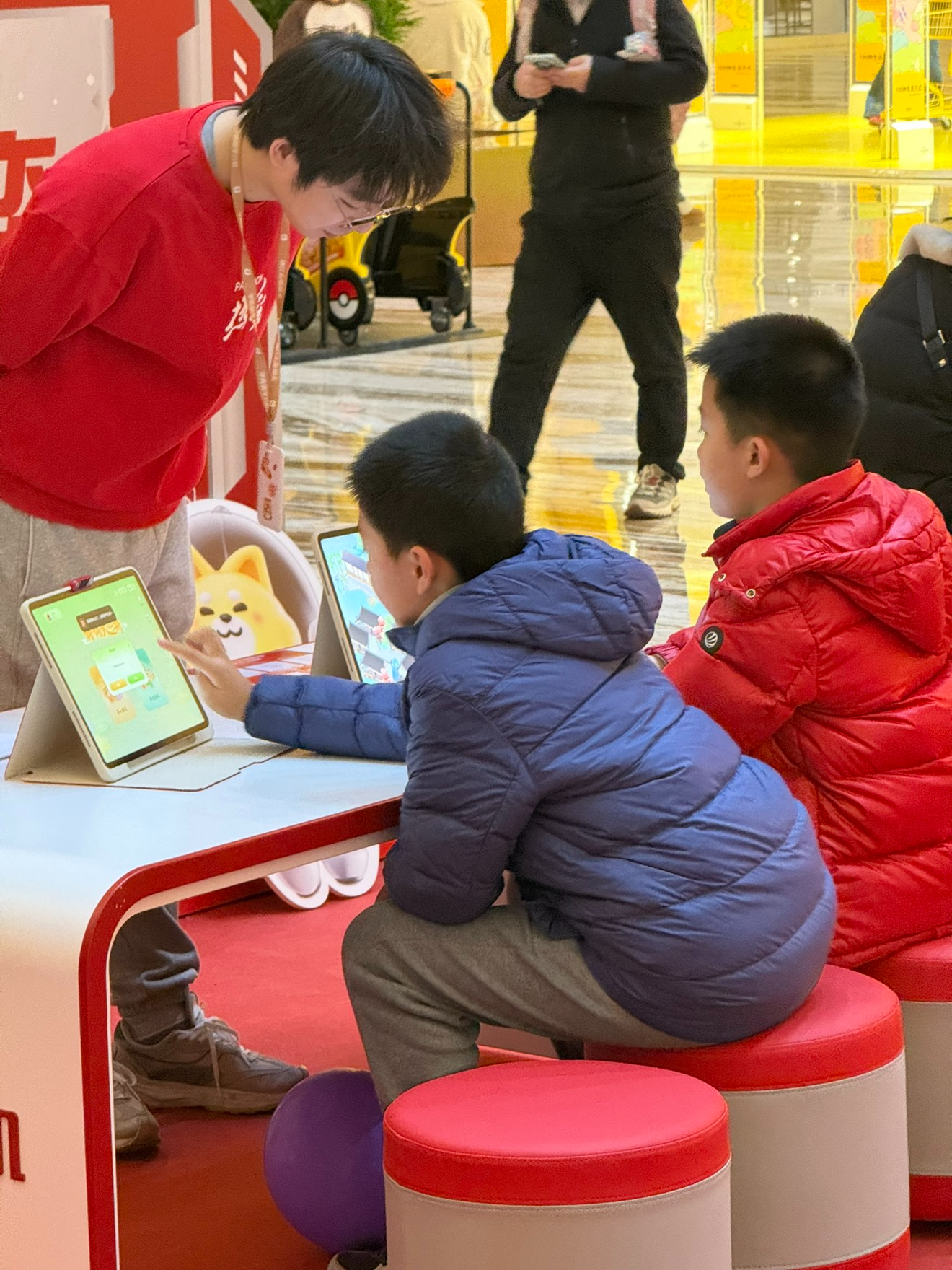
On platforms like Douyin and Xiaohongshu, numerous parents share similar experiences: Their children only need to point out a question and say, "Help me explain this,” or directly specify “multiple-choice question X” or “short answer question Y,” and AI Thinkie will initiate the explanation process. If the child doesn’t understand, they can ask follow-up questions at any time. If stuck on a particular step, the system provides repeated guidance rather than skipping straight to the conclusion.
One parent mentioned that their child often felt frustrated with foundational math topics during early learning phases. Previously, continuous explanations only escalated anxiety. Now, the child prefers to first seek AI Thinkie’s guidance to clarify their thinking before presenting results to parents. This shift has adjusted learning rhythms within the family—transforming a “task-driven” approach into “proactive problem-solving.”
While learning assistance tackles "problem-solving," emotions and mental states are often harder for parents to detect.
Certain models of the learning device include a feature where AI Thinkie generates a conversation and status report for parents based on the child’s dialogues. A parent using the Xueersi P4 mentioned that while initially focusing only on ensuring homework efficiency, the report unexpectedly revealed new insights: "The report noted that my child repeatedly asked, 'How can I finish homework faster?' and used more exclamation points in the tone. This made me realize that the procrastination wasn’t intentional but stemmed from feeling overwhelmed."
Following AI Thinkie’s suggestions, this parent tried breaking homework into smaller segments: first completing oral calculations, then reading aloud, followed by writing. The result was significantly eased emotions and fewer conflicts.
Such feedback is not uncommon. Some parents admit they aren’t sure if these analyses are "absolutely scientific," but at least they provide a fresh perspective—allowing emotional shifts to surface in a relatively gentle and non-confrontational manner.
Earlier surveys on the usage of learning devices also align with this phenomenon. A study by the Learning Science Laboratory of Peking University's School of Education, quoted in China News Weekly, observed that when encountering learning challenges, children primarily turn to peers, learning devices, and teachers, with parents being their last resort.
Researchers suggest that this preference order doesn’t necessarily weaken the parental role, but rather reflects a realistic need for “immediate response,” “low-pressure communication,” and “emotional safeguarding” during the learning process. Amid such needs, learning devices often act as intermediaries—unrestricted by peer-level knowledge limitations, nor prone to the evaluative pressures associated with adults.
From a product design perspective, these functions rarely intervene directly in family education decisions. Instead, they serve as “information mediators,” translating children’s emotions, focal points, and uncertainties during their studies into comprehensible cues for parents.
In fast-paced family lives, this sense of “being seen” holds value in itself.
Returning to the original question: Is AI truly accompanying children? From 1.6 billion activations to 720,000 hours of problem explanations, or through seemingly trivial but genuine daily conversations, this companionship is neither grand nor intended as a replacement for parents or teachers. Rather, it resembles an ever-present support system.
Some parents say that the presence of learning devices offers diverse options in how they accompany their children: no longer having to step in for everything but instead acting more as observers and guides.
One mother of a newly six-year-old child recounted the struggle with their early math and pinyin explorations, which often led to retreating from study after repeated reminders. She discovered that the underlying issue wasn’t knowledge alone but also stemmed from the rhythm and manner of instruction. After discussing with other parents, she purchased the Xueersi Smart Learning Devices Tablet T4. She observed immediate changes—the child no longer felt constrained by uniform pacing. “If they don’t understand, they can listen multiple times. If they get it, they move on. There’s no constant interruption or emotional clash.”
In her words, the learning device doesn’t “replace parents” but alleviates the repetitive, draining task of explaining. Her child voluntarily studies for about 30 minutes a day, leaving the rest of the time for exercise or leisure, gradually easing the family atmosphere.
“AI Thinkie” doesn’t judge the child’s feelings and doesn’t get irritable with repeated questions. It’s available to respond to a “help me” request during late nights, weekends, or whenever parents are unavailable.
While AI cannot resolve everything and shouldn’t bear the full responsibility, it’s progressively addressing a long-overlooked gap in many families—the need for immediate feedback and a learning space where children can repeatedly try without interruptions.
When a child gently taps the learning device, activates AI Thinkie, and asks their first question for the day, what opens may not merely be a conversation but a new path for growth.




 3360
3360